


Visualizza il prodotto su Amazon
(Edizione italiana  ) (English edition
  )
)
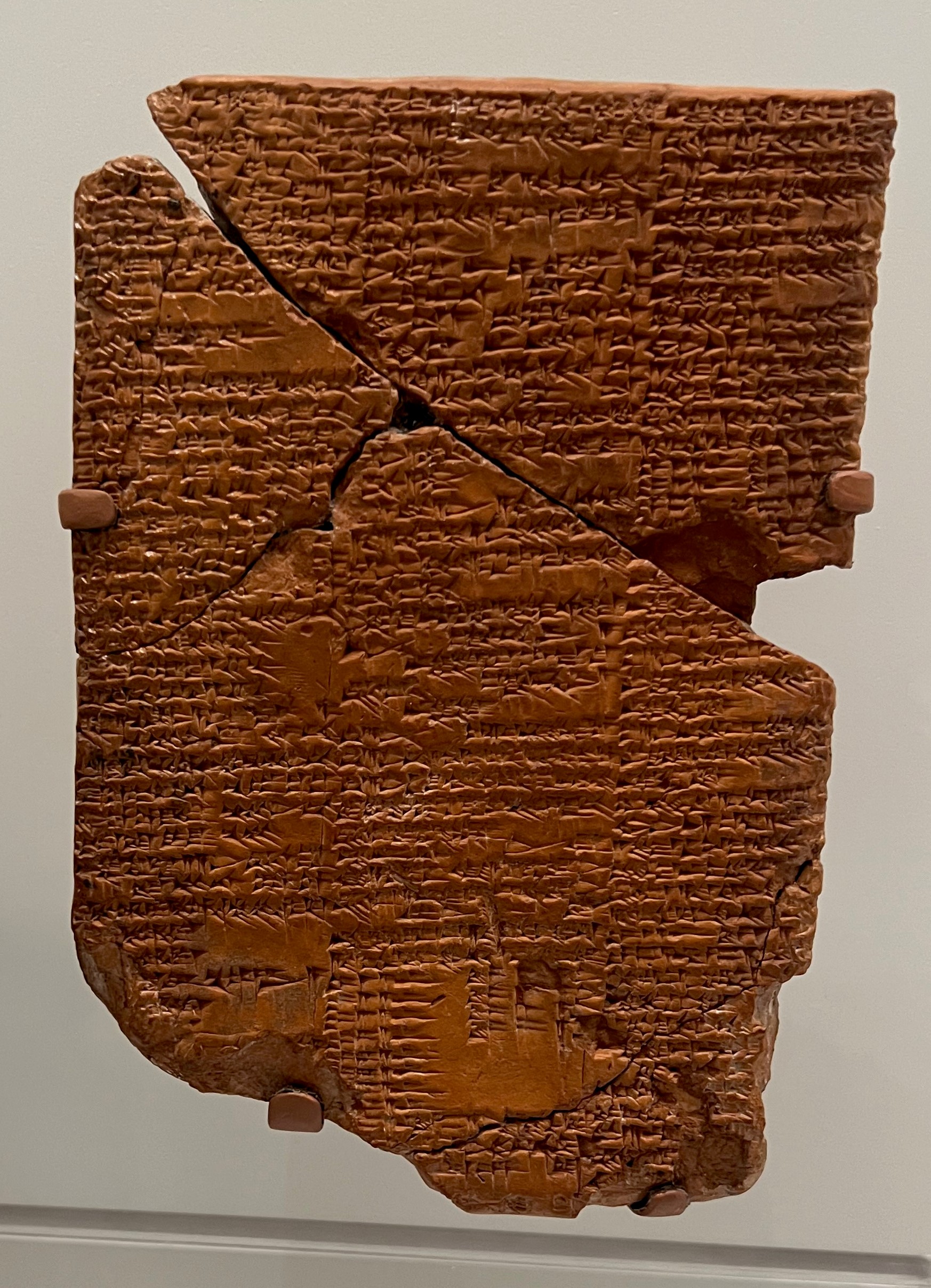
È disponibile il nuovo libro di Manuel Bonoli, autore di Civiltaeterne.it, intitolato libro “I miti sumeri tradotti e commentati. Con vocabolario dei termini”. Quest’opera è dedicata allo studio e alla comprensione delle più antiche narrazioni religiose della Mesopotamia.
La mitologia sumera rappresenta una delle testimonianze più antiche del pensiero umano: attraverso le tavolette cuneiformi giunte fino a noi è possibile conoscere il modo in cui i Sumeri interpretavano l’origine del mondo, il ruolo degli dèi e il destino dell’uomo. Queste tradizioni, nate tra il IV e il III millennio a.C. nella Mesopotamia meridionale, hanno influenzato profondamente lo sviluppo religioso e culturale del Vicino Oriente antico.
Il volume propone la traduzione e il commento di alcuni tra i principali miti della tradizione sumera, accompagnati da strumenti utili alla comprensione dei testi e del loro contesto storico e culturale.
Indice del Libro
Introduzione. 9
- La mitologia sumera. 13
- La nascita del cosmo e delle divinità primordiali 14
- La creazione dell’uomo. 21
- L’ordine e il caos. 25
- Il pantheon sumero. 27
- An, il padre degli Dei 35
- Enlil, il capo del pantheon sumerico. 36
- Enki, il protettore dell’umanità. 38
- Ninhursag, l’archetipo della Dea Madre. 41
- Inanna, la divinità femminile più importante del pantheon sumero. 43
- Dumuzi: il dio della vegetazione, della fertilità e dei cicli stagionali 46
- Utu, il dio Sole. 48
- Nanna, il dio lunare di Ur. 50
- Ereshkigal: la Regina del Mondo Infero. 52
- Nammu: la dea primordiale delle acque e madre degli dèi 54
- Ningirsu: il dio guerriero e agricolo di Lagash. 55
- L’aldilà. 57
- Riferimenti bibliografici 59
- 📜Inno a Enlil 63
- Traduzione. 64
- Tabella dei termini 69
- Analisi del testo. 70
- Riferimenti bibliografici 74
- 📜Inno a Enlil e all’Ekur. 77
- Traduzione. 77
- Tabella dei termini 83
- Analisi del testo. 84
- Riferimenti bibliografici 90
- 📜Enlil e Ninlil 93
- Traduzione. 94
- Tabella dei termini 98
- Analisi del testo. 99
- Riferimenti bibliografici 101
- 📜Inno alla zappa. 103
- Traduzione. 104
- Tabella dei termini 105
- Analisi del testo. 105
- Riferimenti bibliografici 108
- 📜Un canto per Ninlil 111
- Traduzione. 112
- Tabella dei termini 114
- Analisi del testo. 115
- Riferimenti bibliografici 117
- 📜Enki e l’ordine del mondo. 119
- Traduzione. 120
- Tabella dei termini 138
- Analisi del testo. 141
- Riferimenti bibliografici 146
- 📜Viaggio di Enki a Nibru. 149
- Traduzione. 151
- Tabella dei termini 154
- Analisi del testo. 155
- Riferimenti bibliografici 159
- 📜Enki e Ninhursaja (Ninhursag) 161
- Traduzione. 162
- Tabella dei termini 170
- Analisi del testo. 172
- Riferimenti bibliografici 175
- 📜Enki e Ninmah. 177
- Traduzione. 178
- Tabella dei termini 184
- Analisi del testo. 185
- Riferimenti bibliografici 188
- 📜Inno a Inanna. 191
- Traduzione. 191
- Analisi del testo. 192
- Riferimenti bibliografici 193
- 📜Inanna e l’albero huluppu. 195
- Traduzione. 195
- Tabella dei termini 199
- Analisi del testo. 200
- Riferimenti bibliografici 202
- 📜La disputa tra il pastore e il contadino. 205
- Traduzione. 206
- Tabella dei temini 209
- Analisi del testo. 210
- Riferimenti bibliografici 211
- 📜Canto d’amore tra Dumuzi e Inanna. 215
- Traduzione. 215
- Tabella dei termini 216
- Analisi del testo. 216
- Riferimenti bibliografici 218
- 📜Inana ed Enki 221
- Traduzione. 222
- Tabella dei termini 239
- Analisi del testo. 241
- Riferimenti bibliografici 244
- 📜Inanna agli inferi 247
- Traduzione. 248
- Tabella dei termini 265
- Analisi del testo. 268
- Riferimenti bibliografici 275
- 📜Inno a Nanna. 277
- Traduzione. 278
- Tabella dei termini 281
- Analisi del testo. 282
- Riferimenti bibliografici 285
- 📜Le imprese di Ninurta. 287
- Traduzione. 288
- Tabella dei termini 307
- Analisi del testo. 310
- Riferimenti bibliografici 316
- 📜Viaggio di Ninurta a Eridug. 319
- Traduzione. 320
- Tabella dei termini 324
- Analisi del testo. 325
- Riferimenti bibliografici 329
- 📜Il mito del Diluvio. 331
- Traduzione. 332
- Tabella dei termini 336
- Analisi del testo. 337
- Riferimenti bibliografici 344


(Edizione italiana ) (English edition )
Descrizione
I miti sumeri tradotti e commentati è un viaggio alle origini della civiltà e del pensiero religioso, là dove la parola scritta iniziò a dare forma alla memoria, al mito e al rapporto tra l’uomo e il divino. Attraverso la traduzione diretta e il commento critico dei principali testi mitologici sumeri, il volume restituisce la voce di una delle più antiche culture della storia, rivelandone la straordinaria profondità simbolica e concettuale.
Dagli inni a Enlil e Inanna ai miti cosmogonici, dai racconti sulla creazione dell’uomo al tema dell’aldilà, emerge una visione del mondo complessa e sorprendentemente attuale, fondata su un equilibrio fragile tra ordine e caos, volontà divina e destino umano. Gli dèi sumeri, profondamente antropomorfi, riflettono le tensioni, le paure e le aspirazioni di una società che cercava di comprendere il senso dell’esistenza e il funzionamento del cosmo attraverso il linguaggio del mito.
Il volume non si limita a presentare i testi: ogni traduzione è accompagnata da un’analisi dettagliata, da tabelle dei termini e da riferimenti filologici e storici che permettono al lettore di cogliere il significato profondo delle narrazioni, il loro contesto rituale e il loro valore culturale. La scrittura, nata come strumento amministrativo, diventa così memoria del sacro, mezzo di conservazione del sapere e fondamento dell’identità collettiva.
Questo libro si rivolge a chi desidera avvicinarsi alla mitologia sumera con rigore e chiarezza, ma anche a chi intende riscoprire, nelle più antiche testimonianze scritte dell’umanità, le grandi domande che continuano a interrogare l’uomo: l’origine del mondo, il senso del lavoro, il limite della vita, il rapporto con il divino. Un’opera che restituisce ai miti sumeri la loro natura più autentica: non racconti del passato, ma strumenti di conoscenza senza tempo.
Alcuni articoli tratti dal libro
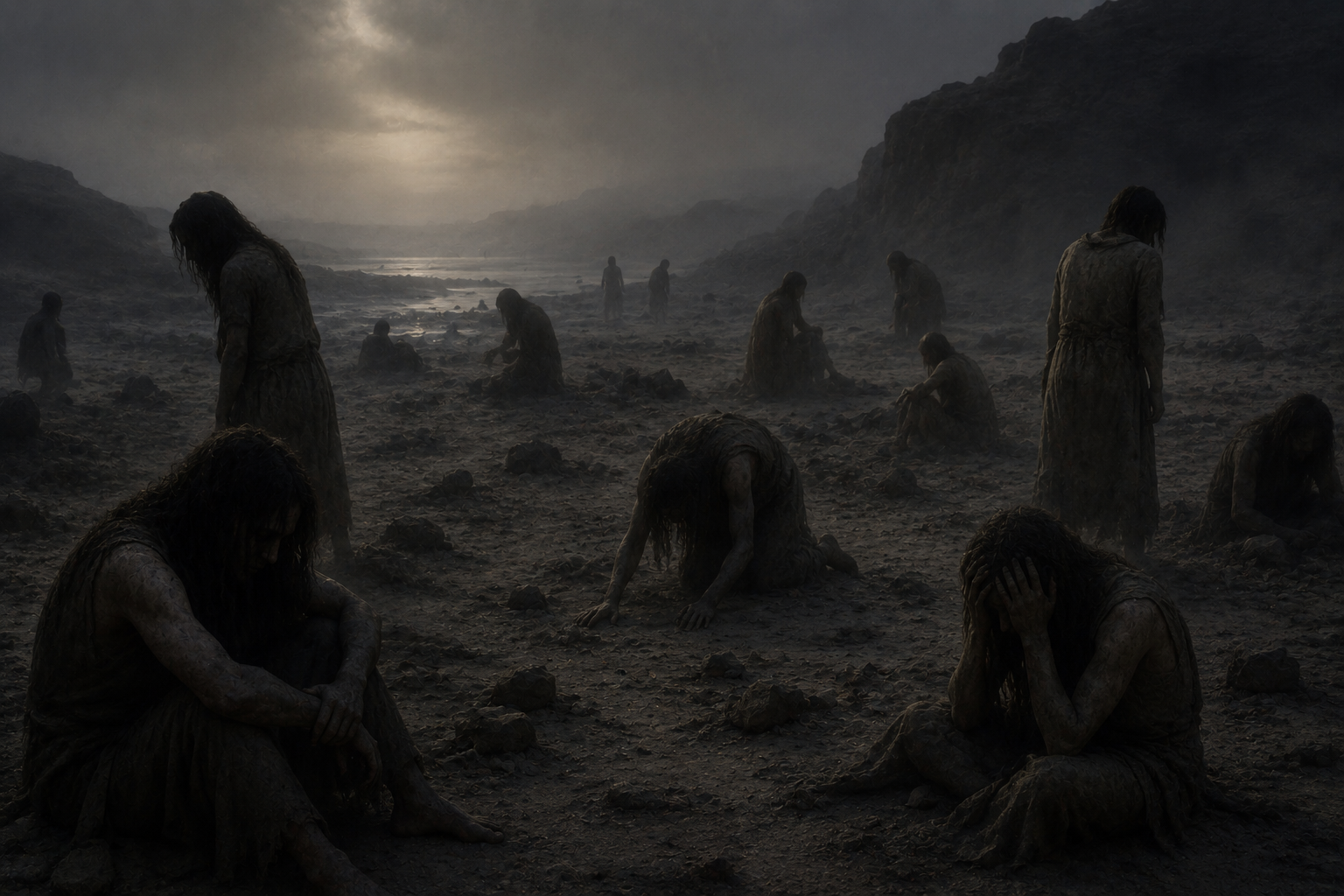
DISCESA DI INANNA AGLI INFERI. Traduzione, analisi del testo e interpretazione astronomica
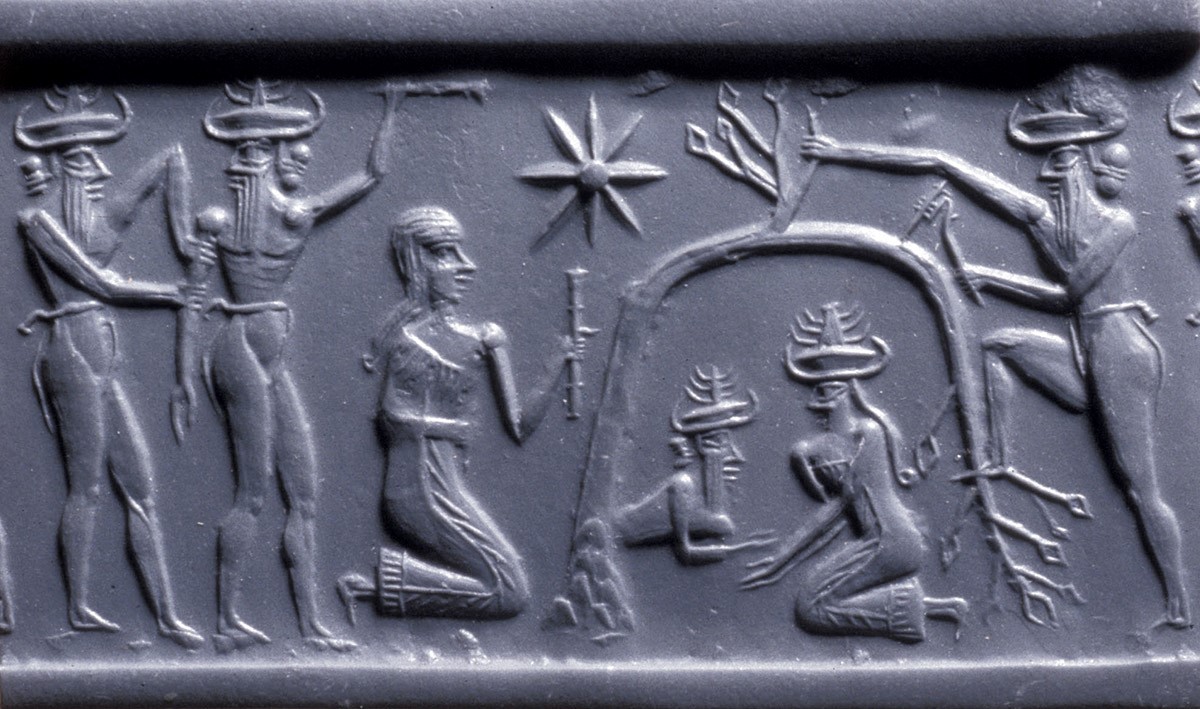
INANNA E L’ALBERO HULUPPU. Traduzione e significato del mito
INANNA, LA DIVINITA’ FEMMINILE PIU’ IMPORTANTE DEL PANTHEON SUMERO
Fonti bibliografiche
- Allen, J. P., Middle Egyptian: An Introduction to the Language and Culture of Hieroglyphs, 2000.
- Black, J., Reading Sumerian Poetry, 1985.
- Black, J. – Green, A., Gods, Demons and Symbols of Ancient Mesopotamia: An Illustrated Dictionary, 1992.
- Black, J. et al., The Literature of Ancient Sumer, 2004.
- Bottéro, J., La religione più antica: la Mesopotamia, 1989.
- Bottéro, J., Miti e riti di Babilonia, 1987.
- Bottéro, J., Mesopotamia: Writing, Reasoning, and the Gods, 1992.
- Bottéro, J., Religion in Ancient Mesopotamia, 2001.
- Charpin, D., Writing, Law, and Kingship in Old Babylonian Mesopotamia, 2012.
- Civil, M., Studies in Sumerian Literature, 1987.
- Clifford, R. J., Creation Accounts in the Ancient Near East and in the Bible, 1994.
- Dalley, S., Myths from Mesopotamia: Creation, the Flood, Gilgamesh, and Others, 1989.
- Eliade, M., Trattato di storia delle religioni, 1949.
- Filoramo, G. – Massenzio, M., Storia delle religioni, 1998.
- Frankfort, H., Stratified Cylinder Seals from the Diyala Region, 1939.
- Frankfort, H., The Art and Architecture of the Ancient Orient, 1948.
- Frankfort, H., The Art and Architecture of the Ancient Orient, 1994.
- Freud, S., Pulsioni e loro destini, 1915.
- George, A. R., The Epic of Gilgamesh: A New Translation, 1999.
- George, A. R., The Babylonian Gilgamesh Epic, 2003.
- Gimbutas, M., The Language of the Goddess, 1989.
- Hallo, W. W., Origins: The Ancient Near Eastern Background of Some Modern Western Institutions, 1996.
- Hallo, W. W., The World’s Oldest Literature, 2010.
- Hallo, W. W. – Simpson, W. K., The Ancient Near East: A History, 1998.
- Hallo, W. W. – van Dijk, J. J. A., The Exaltation of Inanna, 1968.
- Jacobsen, T., The Treasures of Darkness: A History of Mesopotamian Religion, 1976.
- Katz, D., The Image of the Netherworld in the Sumerian Sources, 2003.
- Klein, J., Studies in Sumerian Hymns, 1997.
- Kramer, S. N., Sumerian Mythology, 1961.
- Kramer, S. N., The Sumerians: Their History, Culture, and Character, 1963.
- Kramer, S. N., History Begins at Sumer, 1981.
- Kramer, S. N. – Maier, J., Myths of Enki, the Crafty God, 1989.
- Lambert, W. G., Babylonian Creation Myths, 2013.
- Legrain, L., The Temple of the Sun at Sippar, 1913.
- Leick, G., A Dictionary of Ancient Near Eastern Mythology, 1991.
- Leick, G., A Dictionary of Ancient Near Eastern Architecture, 1998.
- Leick, G., Mesopotamia: The Invention of the City, 2013.
- Liverani, M., Uruk: La prima città, 2016.
- Liverani, M., Antico Oriente: storia, società, economia, 2011.
- Mellaart, J., Çatal Hüyük: A Neolithic Town in Anatolia, 1967.
- Michalowski, P., The Lamentation over the Destruction of Sumer and Ur, 1993.
- Pettinato, G., I Sumeri, 1994.
- Pettinato, G., Mitologia Sumera, 1993.
- Postgate, J. N., Early Mesopotamia: Society and Economy at the Dawn of History, 1992.
- Robson, E., Mathematics in Ancient Iraq: A Social History, 2008.
- Romer, J., Testi e traduzioni su cosmogonie del Vicino Oriente, 1993.
- Roth, M. T., Law Collections from Mesopotamia and Asia Minor, 1995.
- Sallaberger, W., Der kultische Kalender der Ur-III-Zeit, 1999.
- Smith, M. S., The Origins of Biblical Monotheism, 2001.
- Tigay, J. H., The Evolution of the Gilgamesh Epic, 1982.
- Van De Mieroop, M., A History of the Ancient Near East, 2004.
- Veldhuis, N., Religion, Literature, and Scholarship, 2004.
- Verderame, L., La cultura dell’aldilà in Mesopotamia, 2014.
- Wiggermann, F. A. M., Mesopotamian Protective Spirits, 1997.
- Wilkinson, R. H., The Complete Gods and Goddesses of Ancient Egypt, 2003.
- Woolley, C. L., Ur Excavations, 1934.
- Bottéro, J., Religion in Ancient Mesopotamia, 2001.
- Coetser, P., The Cosmic Mountain in Ancient Mesopotamian Religion, 2022.
- George, A. R., Babylonian Topographical Texts, 1992.
- Gordon, E. I., Sumerian Proverbs: Glimpses of Everyday Life in Ancient Mesopotamia, 1995.
- Hallo, W. W., Origins: The Ancient Near Eastern Background of Some Modern Western Institutions, 1997.
- Horowitz, W., Mesopotamian Cosmic Geography, 1998.
- Jacobsen, T., The Treasures of Darkness: A History of Mesopotamian Religion, 1976.
- Jacobsen, T., The Harps that Once… Sumerian Poetry in Translation, 1987.
- Klein, J., The Royal Hymns of Šulgi King of Ur, 1990.
- Kramer, S. N., The Sumerians: Their History, Culture, and Character, 1964.
- Liverani, M., Antico Oriente. Storia, società, economia, 2004.
- Michalowski, P., The Lamentation over the Destruction of Sumer and Ur, 1989.
- Van de Mieroop, M., King Hammurabi of Babylon: A Biography, 2005.
- Veldhuis, N., History of the Cuneiform Lexical Tradition, 2014.
- Verderame, L., Letterature dell’antica Mesopotamia, 2017.
- Barton, G. A., Miscellaneous Babylonian Inscriptions, 1918
- Chiera, E., Sumerian Epics and Myths, 1934
- Falkenstein, A., Die Haupttypen der sumerischen Gottesvorstellungen, 1953
- Horowitz, W., Mesopotamian Cosmic Geography, 1998
- Jacobsen, T., The Harps That Once… Sumerian Poetry in Translation, 1987
- Lutz, H. F., Selected Sumerian and Babylonian Texts, 1919
- Reisman, D., The Nitocris “Tradition”, 1977
- Tinney, S., Texts, Tablets and Teaching: Scribal Education in Ancient Mesopotamia, 1999
- Westenholz, J., Legends of the Kings of Akkade: The Texts, 1997
- Black, J. – Green, A. Gods, Demons and Symbols of Ancient Mesopotamia 1992;
- Dalley, S. Myths from Mesopotamia 1989;
- Hallo, W. – van Dijk, J. The Exaltation of Inanna 1968;
- Jacobsen, T. The Treasures of Darkness 1976;
- Kramer, S. N. The Sumerians 1963;
- Kramer, S. N. History Begins at Sumer 1969;
- Kramer, S. N. The Sumerians: Their History, Culture and Character 1981;
- Leick, G. A Dictionary of Ancient Near Eastern Mythology 2001;
- Michalowski, P. Charisma and Control: On Continuity and Change in Early Mesopotamian Bureaucratic Systems 1989;
- Oppenheim, A. L. Ancient Mesopotamia: Portrait of a Dead Civilization 1977;
- Postgate, J. N. Early Mesopotamia: Society and Economy at the Dawn of History 1992;
- Wolkstein, D. – Kramer, S. N. Inanna: Queen of Heaven and Earth 1983.
- Bottéro, J., Mésopotamie. L’écriture, la raison et les dieux, 1987.
- Chiera, E., Sumerian Religious Texts, 1934.
- Falkenstein, A., Sumerische religiöse Texte, 1953.
- Glassner, J.-J., Mesopotamian Chronicles, 2004.
- Hallo, W. W. & van Dijk, J. J. A., The Exaltation of Inanna, 1968.
- Horowitz, W., Mesopotamian Cosmic Geography, 1998.
- Jacobsen, T., The Treasures of Darkness: A History of Mesopotamian Religion, 1976.
- Jacobsen, T., The Harps that Once… Sumerian Poetry in Translation, 1987.
- Kramer, S. N., Sumerian Mythology: A Study of Spiritual and Literary Achievement in the Third Millennium B.C., 1961.
- Lambert, W. G., Babylonian Creation Myths, 2013.
- Pettinato, G., Mitologia sumera, s.d. (ed. UTET).
- Tinney, S., The Nippur Lament: Royal Rhetoric and Divine Legitimation, 1999.
- Westenholz, J. G., Legends of the Kings of Akkade, 1999.
- Bibbia, Genesi 3 (tradizione testuale), s.d.
- LaParola.net, Genesi 3 (pagina di consultazione), s.d.
- Black, J., The Sumerians, 1985
- Black, J., Green, A., Gods, Demons and Symbols of Ancient Mesopotamia, 1992
- Bottéro, J., Mesopotamian Religion, 1992
- Bottéro, J., Religion in Ancient Mesopotamia, 2001
- Civil, M., The Early Dynastic Practical Vocabulary, 1987
- Electronic Text Corpus of Sumerian Literature (ETCSL), An adab to Ninlil (t.4.24.1), s.d.
- Hallo, W., The Context of Scripture, 1996
- Jacobsen, T., The Treasures of Darkness, 1976
- Liverani, M., La regalità nell’antico Vicino Oriente, 1998
- Michalowski, P., Literary and Scholastic Texts of the Old Babylonian Period, 1993
- Robson, E., Mathematics in Ancient Iraq, 2008
- Sallaberger, W., Der kultische Kalender der Ur-III-Zeit, 1999
- Van de Mieroop, M., A History of the Ancient Near East, 2007
- Veldhuis, N., Religion, Literature, and Scholarship, 2004
- Black, J. et al. 1998-2006, Electronic Text Corpus of Sumerian Literature (ETCSL).
- Black, J. & Green, A. 1992, Gods, Demons and Symbols of Ancient Mesopotamia.
- Böck, B. 2021, “Explaining the Emergence of Social Institutions in Ancient Mesopotamia: The Sumerian Myth Enki and the World Order”.
- Cooper, J. S. 2024, Enki and the World Order. A Sumerian Myth.
- Jacobsen, T. 1976, The Treasures of Darkness. A History of Mesopotamian Religion.
- Kramer, S. N. 1961, Sumerian Mythology; 1963, The Sumerians.
- Potts, D. T. 1982, “The Road to Meluhha”; 1993, “Patterns of Trade in Third-Millennium BC Mesopotamia”.
- Black, J. The Literature of Ancient Sumer, 2004.
- Hallo, W. Origins: The Ancient Near Eastern Background of Some Modern Western Institutions, 2010.
- Hallo, W. & van Dijk, J. The Exaltation of Inanna, 1968.
- Jacobsen, T. The Treasures of Darkness: A History of Mesopotamian Religion, 1976.
- Kramer, S. Sumerian Mythology: A Study of Spiritual and Literary Achievement in the Third Millennium B.C., 1961.
- Kramer, S. The Sumerians: Their History, Culture, and Character, 1963.
- Michalowski, P. Letters from Early Mesopotamia, 1993.
- Tinney, S. Texts, Tablets and Teaching: Essays in Honour of William W. Hallo, 1996.
- Veldhuis, N. History of the Cuneiform Lexical Tradition, 2014.
- Black, J., & Green, A. Gods, Demons and Symbols of Ancient Mesopotamia, 1992.
- Black, J., & Green, A. Gods, Demons and Symbols of Ancient Mesopotamia: An Illustrated Dictionary (edizione ampliata). 1998.
- Bottéro, J. La religion babylonienne. 1992.
- Dalley, S. Myths from Mesopotamia: Creation, the Flood, Gilgamesh, and Others. 1989.
- Hallo, W. W., & van Dijk, J. J. A. The Exaltation of Inanna. 1968.
- Jacobsen, T. The Treasures of Darkness: A History of Mesopotamian Religion. 1976.
- Katz, D. The Image of the Netherworld in the Sumerian Sources. 2003.
- Kramer, S. N. The Sumerians: Their History, Culture and Character. 1963.
- Kramer, S. N. The Sacred Marriage Rite: Aspects of Faith, Myth and Ritual..,1969.
- Kramer, S. N. Enki and Ninhursag: A Sumerian “Paradise” Myth. 1981.
- Leick, G. Mesopotamia: The Invention of the City. 2001.
- Michalowski, P. “Charisma and Control: On Continuity and Change in Early Mesopotamian Bureaucratic Systems.” In The Organization of Power, 1989.
- Oppenheim, A. L. Ancient Mesopotamia: Portrait of a Dead Civilization. 1977.
- Postgate, J. N. Early Mesopotamia: Society and Economy at the Dawn of History. 1992.
- Wolkstein, D., & Kramer, S. N. Inanna: Queen of Heaven and Earth. 1983.
- Bottéro, J., Mésopotamie. L’écriture, la raison et les dieux, 1987.
- Bottéro, J., Religion in Ancient Mesopotamia, 2001.
- Hallo, W. W., Origins: The Ancient Near Eastern Background of Some Modern Western Institutions, 1997.
- Hallo, W. W. & van Dijk, J. J. A., The Exaltation of Inanna, 1968.
- Jacobsen, T., The Treasures of Darkness: A History of Mesopotamian Religion, 1976.
- Klein, J., The Royal Hymns of Šulgi King of Ur, 1990.
- Kramer, S. N., Sumerian Mythology: A Study of Spiritual and Literary Achievement in the Third Millennium B.C., 1961.
- Kramer, S. N., The Sumerians: Their History, Culture, and Character, 1963.
- Lambert, W. G., Babylonian Creation Myths, 2013.
- Michalowski, P., The Lamentation over the Destruction of Sumer and Ur, 1989.
- Veldhuis, N., History of the Cuneiform Lexical Tradition, 2014.
- Black J. – Cunningham G. – Ebeling J. – Flückiger-Hawker E. – Robson E. – Taylor J. – Zólyomi G., The Literature of Ancient Sumer 2004
- Black J., Green A Gods Demons and Symbols of Ancient Mesopotamia An Illustrated Dictionary 1992
- Cooper J. S., Sacred Marriage and Popular Cult in Early Mesopotamia 1993
- Hallo W. W., Origins The Ancient Near Eastern Background of Some Modern Western Institutions 1997
- Jacobsen T., The Treasures of Darkness A History of Mesopotamian Religion 1976
- Kramer S. N., Sumerian Mythology A Study of Spiritual and Literary Achievement in the Third Millennium B C 1961
- Wolkstein D., Kramer S N Inanna Queen of Heaven and Earth Her Stories and Hymns from Sumer 1983
- Black, J. – Green, A., Gods, Demons and Symbols of Ancient Mesopotamia, 1992
- Bottéro, J., Religion in Ancient Mesopotamia, 1992
- Bottéro, J., Mesopotamia: Writing, Reasoning, and the Gods, 2001
- Civil, M., The Early Dynastic Practical Vocabulary, 1987
- George, A. R., The Babylonian Gilgamesh Epic, 2003
- Hallo, W. W. – Van Dijk, J. J. A., The Exaltation of Inanna, 1968
- Jacobsen, T., The Treasures of Darkness: A History of Mesopotamian Religion, 1976
- Kramer, S. N., Sumerian Mythology, 1963
- Black, J., 2006, The Literature of Ancient Sumer, Oxford, Oxford University Press.
- Bottéro, J., 2001, La religione della Mesopotamia antica, Torino, Einaudi.
- Hallo, W. W., 1997, Origins: The Ancient Near Eastern Background of Some Modern Western Institutions, Leiden, Brill.
- Jacobsen, T., 1976, The Treasures of Darkness. A History of Mesopotamian Religion, New Haven–London, Yale University Press.
- Kramer, S. N., 1963, The Sumerians. Their History, Culture, and Character, Chicago, University of Chicago Press.
- Liverani, M., 2004, Antico Oriente. Storia, società, economia, Roma–Bari, Laterza.
- Vanstiphout, H. L. J., 1990, Sumerian Disputation Poems, Leiden, Brill.
- Vanstiphout, H. L. J., 1997, Epics of Sumerian Kings. The Matter of Aratta, Atlanta, Society of Biblical Literature.
- Veldhuis, N., 2014, History of the Cuneiform Lexical Tradition, Münster, Ugarit-Verlag.
- University of Oxford, s.d., Electronic Text Corpus of Sumerian Literature (ETCSL): “Dumuzi and Enkimdu (Inanna prefers the farmer)”, Oxford, Faculty of Oriental Studies.
- Black, J. Cunningham, G. Ebeling, J. Flückiger-Hawker, E. Robson, E. Taylor, J. Zólyomi, G., The Literature of Ancient Sumer, 2004
- Black, J. Green, A., Gods, Demons and Symbols of Ancient Mesopotamia An Illustrated Dictionary, 1992
- Cooper, J. S., Sacred Marriage and Popular Cult in Early Mesopotamia, 1993
- Hallo, W. W., Origins The Ancient Near Eastern Background of Some Modern Western Institutions, 1997
- Jacobsen, T., The Treasures of Darkness A History of Mesopotamian Religion, 1976
- Kramer, S. N., Sumerian Mythology A Study of Spiritual and Literary Achievement in the Third Millennium B C, 1961
- Wolkstein, D. Kramer, S. N., Inanna Queen of Heaven and Earth Her Stories and Hymns from Sumer, 1983
- Alster, B., Dumuzi’s Dream: Aspects of Oral Poetry in a Sumerian Myth, 1975
- Black, J.; Cunningham, G.; Robson, E.; Zólyomi, G., The Literature of Ancient Sumer, 2004.
- Farber, W., Sumerian Literary Texts in the University Museum, 1973
- Hallo, W. W.; van Dijk, J. J. A., The Exaltation of Inanna, 1968
- Jacobsen, T., The Treasures of Darkness: A History of Mesopotamian Religion, 1976
- Kramer, S. N.; Maier, J., Myths of Enki, the Crafty God, 1989
- Jacobsen, T. The Treasures of Darkness: A History of Mesopotamian Religion. 1976.
- Kramer, S. N. Sumerian Mythology: A Study of Spiritual and Literary Achievement in the Third Millennium B.C. 1961.
- Livingstone, A. Mystical and Mythological Explanatory Works of Assyrian and Babylonian Scholars. 1986.
- Sachs, A. J. Astronomical Diaries and Related Texts from Babylonia. 1974.
- Wolkstein, D., & Kramer, S. N. Inanna: Queen of Heaven and Earth. Her Stories and Hymns from Sumer. 1983.
- Black, J. Cunningham, G. Ebeling, J. Flückiger-Hawker, E. Robson, E. Taylor, J. Zólyomi, G., The Literature of Ancient Sumer, 2004
- Black, J. Green, A., Gods, Demons and Symbols of Ancient Mesopotamia An Illustrated Dictionary, 1992
- Cooper, J. S., Sacred Marriage and Popular Cult in Early Mesopotamia, 1993
- Hallo, W. W., Origins The Ancient Near Eastern Background of Some Modern Western Institutions, 1997
- Jacobsen, T., The Treasures of Darkness A History of Mesopotamian Religion, 1976
- Kramer, S. N., Sumerian Mythology A Study of Spiritual and Literary Achievement in the Third Millennium B C, 1961
- Black, J., Reading Sumerian Poetry, 2004.
- Black, J.; Cunningham, G.; Robson, E.; Zólyomi, G., The Literature of Ancient Sumer, 2004.
- Bottéro, J., La religione babilonese, 1992.
- Bottéro, J., La più antica religione. Mesopotamia, 2001.
- Civil, M., The Song of the Plough and Related Texts, 1966.
- Falkenstein, A., Die sumerische religiöse Literatur, 1959.
- Hallo, W. W., Origins: The Ancient Near Eastern Background of Some Modern Western Institutions, 1996.
- Jacobsen, T., The Treasures of Darkness: A History of Mesopotamian Religion, 1976.
- Kramer, S. N., Sumerian Mythology, 1961.
- Van Dijk, J., La sagesse sumérienne, 1983.
- Westenholz, J. G., Legitimation of Authority through Myth and Ritual, 1997.
- Wolkstein, D.; Kramer, S. N., Inanna: Queen of Heaven and Earth, 1983.
- Annus, A., The God Ninurta in the Mythology and Royal Ideology of Ancient Mesopotamia, 2002
- Black, J., The Sumerians: Their History, Culture and Character, 1985
- Black, J. & Green, A., Gods, Demons and Symbols of Ancient Mesopotamia, 1992
- Bottéro, J., Mesopotamia: Writing, Reasoning, and the Gods, 1992
- Bottéro, J., Religion in Ancient Mesopotamia, 2001
- Civil, M., The Textual Tradition of Sumerian Literature, 1987
- Falkenstein, A., Die sumerische Religion, 1966
- Frankfort, H., Kingship and the Gods, 1948
- Hallo, W., Origins: The Ancient Near Eastern Background of Some Modern Western Institutions, 1996
- Jacobsen, T., Primitive Democracy in Ancient Mesopotamia, 1943
- Jacobsen, T., The Treasures of Darkness: A History of Mesopotamian Religion, 1976
- Liverani, M., Antico Oriente. Storia, società, economia, 1998
- Michalowski, P., Memory and Deed: The Historiography of the Political Expansion of the Akkadian Empire, 1993
- Postgate, J., Early Mesopotamia: Society and Economy at the Dawn of History, 1992
- Robson, E., Mathematics in Ancient Iraq: A Social History, 2008
- Sallaberger, W., Der kultische Kalender der Ur III-Zeit, 1999
- Steinkeller, P., The Divine Ruler in Mesopotamia, 2013
- Van de Mieroop, M., A History of the Ancient Near East ca. 3000–323 BC, 2007
- Van Dijk, J., Lugal ud me-lám-bi nir-ĝál, 1983
- Veldhuis, N., Religion, Literature, and Scholarship, 2004
- Wiggermann, F., Mesopotamian Protective Spirits: The Ritual Texts, 1992
- Annus, A. (2002). The God Ninurta in the Mythology and Royal Ideology of Ancient Mesopotamia. Helsinki: The Neo-Assyrian Text Corpus Project.
- Bottéro, J. (1992). Mesopotamia: Writing, Reasoning, and the Gods. Chicago: University of Chicago Press.
- Bottéro, J. (2001). Religion in Ancient Mesopotamia. Chicago: University of Chicago Press.
- Civil, M. (1987). “The Textual Tradition of Sumerian Literature.” Journal of the American Oriental Society 107, 1–26.
- Dalley, S. (2000). Myths from Mesopotamia: Creation, the Flood, Gilgamesh, and Others. Oxford: Oxford University Press.
- George, A. R. (2003). The Babylonian Gilgamesh Epic: Introduction, Critical Edition and Cuneiform Texts. Oxford: Oxford University Press.
- Heidel, A. (1949). The Gilgamesh Epic and Old Testament Parallels. Chicago: University of Chicago Press.
- Jacobsen, T. (1939). The Sumerian King List. Chicago: University of Chicago Press.
- Jacobsen, T. (1976). The Treasures of Darkness: A History of Mesopotamian Religion. New Haven–London: Yale University Press.
- Kramer, S. N. (1963). The Sumerians: Their History, Culture, and Character. Chicago: University of Chicago Press.
- Lambert, W. G., Millard, A. R. (1969). Atra-Ḫasīs: The Babylonian Story of the Flood. Oxford: Clarendon Press.
- Michalowski, P. (1993). “Memory and Deed: The Historiography of the Political Expansion of the Akkadian Empire.” In Assyriological Studies 25. Chicago: Oriental Institute.
- Robson, E. (2008). Mathematics in Ancient Iraq: A Social History. Princeton: Princeton University Press.
- Smith, M. S. (2001). The Origins of Biblical Monotheism: Israel’s Polytheistic Background and the Ugaritic Texts. Oxford: Oxford University Press.
- Tigay, J. H. (1982). The Evolution of the Gilgamesh Epic. Philadelphia: University of Pennsylvania Press.
- Van de Mieroop, M. (2007). A History of the Ancient Near East ca. 3000–323 BC. Malden–Oxford: Blackwell.
- Veldhuis, N. (2004). Religion, Literature, and Scholarship: The Sumerian Composition “Nanše and the Birds”. Leiden: Brill.

Comments (0)